Crouch End is one of North London's most vibrant and family-friendly neighbourhoods — a village centred on the iconic Clocktower with a thriving independent high street, excellent schools, and streets of generously proportioned Edwardian semis and Victorian terraces. From our nearby Finchley Road studio, our architects specialise in transforming N8's spacious period houses through smart extensions, loft conversions, and careful refurbishments within Haringey's planning framework.
Crouch End developed in the 1880s–1910s as a prosperous middle-class suburb, its streets radiating from the Broadway and the distinctive Clocktower. The neighbourhood's identity is built around its independent spirit — the Crouch End Picturehouse, the independent bookshops and cafés of the Broadway, and a creative community that has attracted musicians, writers, and artists for decades.
The housing stock is primarily Edwardian — substantial semi-detached houses and terraced houses with bay windows, decorative plasterwork, stained glass fanlights, and generous rear gardens. The streets south of the Broadway have grander proportions, while the terraces around Hornsey Lane and Middle Lane offer ample scope for side-return extensions and loft conversions that can transform a 3-bedroom terrace into a spacious family home.
For homeowners in N8, the planning landscape is managed by the London Borough of Haringey. The Crouch End Conservation Area covers the core streets around the Broadway and Clocktower, but many residential streets sit outside it — meaning permitted development rights apply for rear extensions and loft conversions. Haringey is generally supportive of well-designed rear extensions that don't impact the streetscape. Our architects know Haringey's approach intimately.
That negotiation is what we do. Our design studio is on Finchley Road. Our architects have worked with Haringey's planning team on hundreds of applications. We understand the constraints because we live within them.
Design, build, and heritage expertise for Crouch End properties — shaped by deep knowledge of the local planning landscape and conservation requirements.
Rear, side, and wraparound extensions to Crouch End period homes. Conservation area design expertise for local approval.
Dormer and mansard conversions respecting Crouch End rooflines, ridge heights, and conservation area sightlines.
Full basement dig-downs and cellar conversions for Crouch End properties. Structural engineering and waterproofing expertise.
Listed building specialists. Sash window restoration, original feature conservation, and the balance between preservation and contemporary living.
Crouch End falls under the London Borough of Haringey. The Crouch End Conservation Area is one of the largest in London and covers virtually the entire village, covering the Broadway core. Many residential streets benefit from permitted development rights under Haringey's planning framework.
Few Crouch End houses are individually listed, though the Clocktower and some Broadway buildings are locally listed. Party wall agreements are essential for terrace and semi-detached houses — our project managers handle all Party Wall Act notifications as standard. Haringey is generally supportive of rear extensions that follow their design guidance and don't impact neighbours' amenity.
View Haringey planning portal →Crouch End Conservation Area covers the Broadway core. Many residential streets sit outside it with permitted development rights.
Many N8 houses qualify for permitted development rights. Rear extensions up to 6m (detached) or 4m (semi) and rear dormers can often be built without a planning application.
Semi-detached and terraced houses share structural walls. Party wall agreements are required before any structural works begin. We manage the entire process.
Haringey offers pre-application services. Essential for listed buildings and complex conservation area proposals in N8.
Realistic cost ranges for the most common project types in Crouch End. Heritage and conservation requirements typically add 10–20% to standard London pricing.
The Clocktower, the Broadway, and the creative community that shaped North London's most independent-minded village.
The story of the 1895 Clocktower — N8's most iconic landmark — and how it became the symbolic centre of Crouch End's community identity.
How the Grade II listed 1935 Hornsey Town Hall became one of London's finest examples of civic Art Deco architecture.
How Crouch End's village atmosphere attracted musicians, writers, and filmmakers — making N8 one of London's most creative neighbourhoods.
Selected projects from across London.

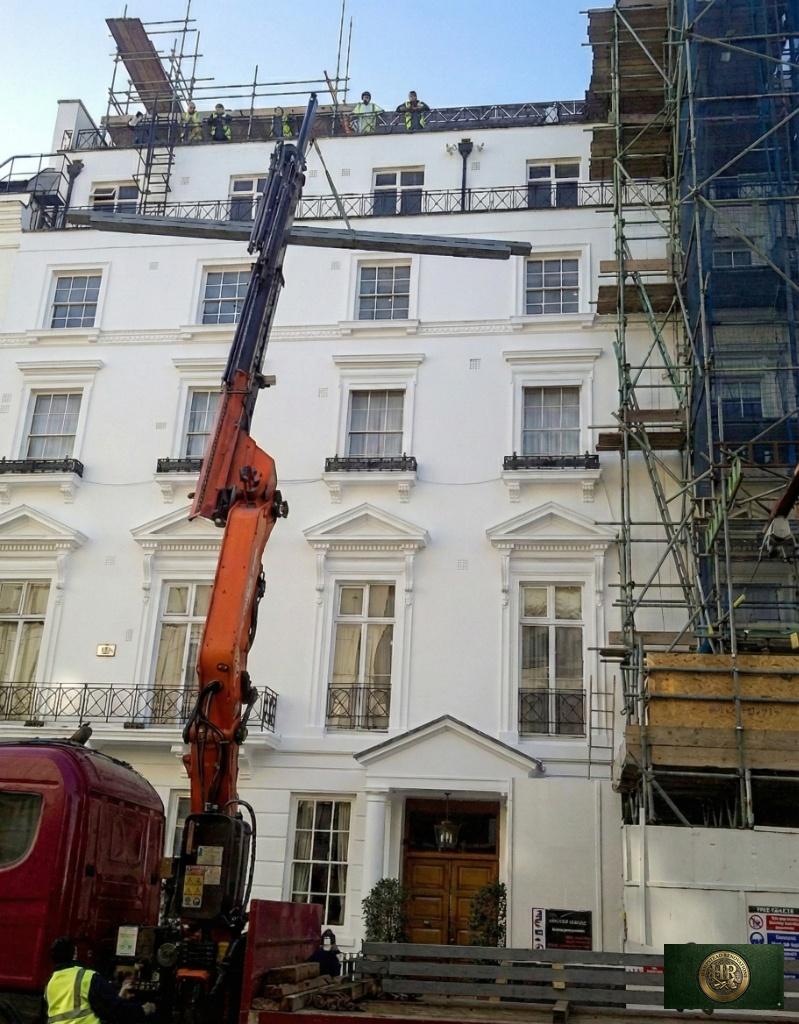
Five-storey house extension, full basement conversion, loft conversion and complete refurbishment within Belsize Park’s conservation area.
View Case Study →
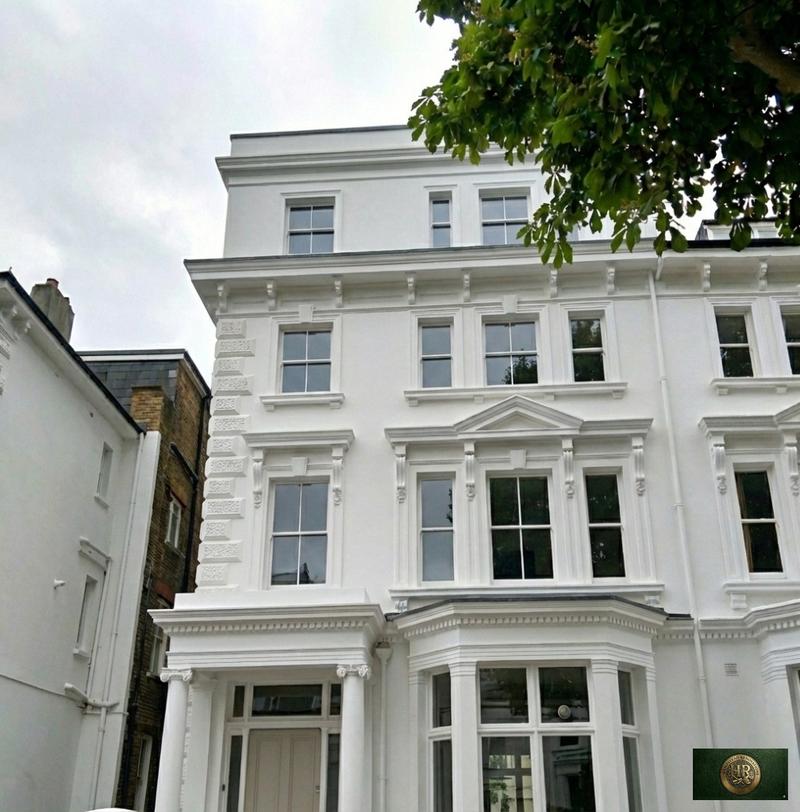
Penthouse duplex refurbishment and roof reconstruction within a Grade II listed setting, unifying the top two levels into seamless luxury living.
View Case Study →
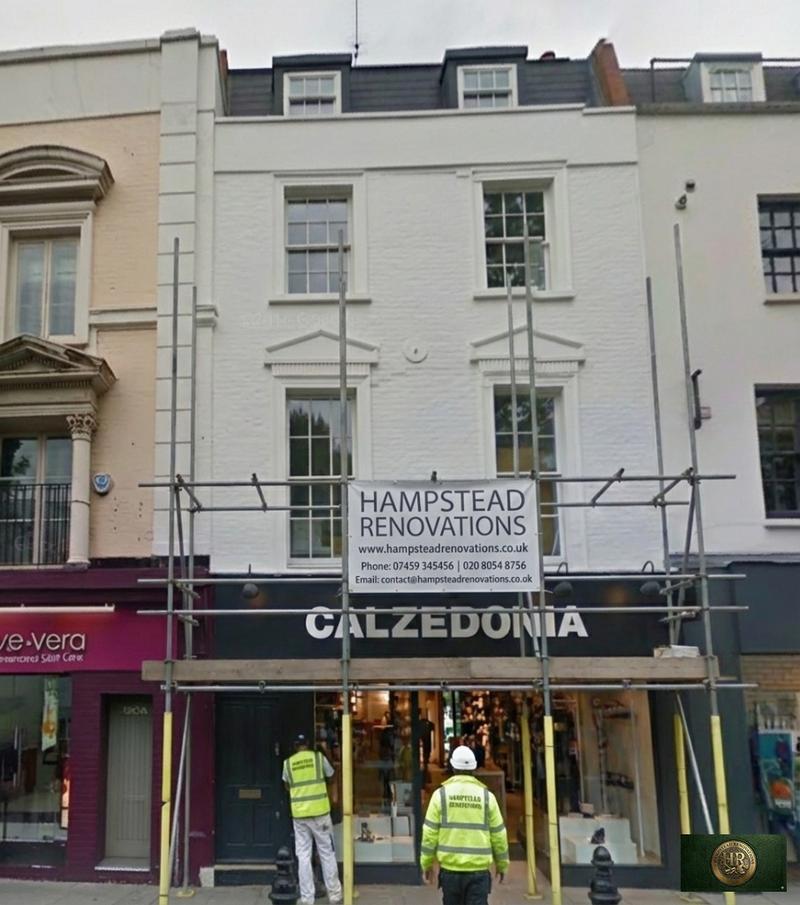
Office-to-retail and residential conversion delivering the Calzedonia store fit-out with three high-spec apartments above, preserving the original façade.
View Case Study →Use these area-specific guide pages to move from broad research into the main build routes people compare in Crouch End N8.
Yes. The Crouch End Conservation Area covers virtually the entire village and is one of the largest in London. Almost all external works require planning permission and must preserve or enhance the area's character. View Haringey's conservation area guidance →
A side-return extension infills the narrow alley between your house and the boundary wall. On Crouch End's semis and terraces, this is typically 0.9–1.5m wide. Combined with a rear extension, it creates a significantly larger kitchen-diner — often gaining 30-50% more space. It's the most popular renovation in N8.
Side-return + rear extensions cost £2,200–£3,500 per sqm. Loft conversions range from £45,000–£100,000. Full refurbishments cost £450–£800 per sqm. N8 costs are among the most competitive in our coverage area. All projects delivered on fixed-price contracts.
With average N8 house prices above £850,000, extending is almost always more cost-effective than trading up. A side-return extension and loft conversion can transform a 3-bedroom house into a 4-5 bedroom family home for £120,000–£200,000. Our architects can model exactly what's achievable for your property.
If your property is outside the conservation area, rear dormers are generally achievable under permitted development. Hip-to-gable conversions (converting the sloped side roof to a vertical wall) often require planning permission. Our architects assess your property's exact planning status and advise on the fastest route to approval.
Yes. Our architects handle both permitted development assessments and full Haringey planning applications. Where permitted development applies, we prepare compliance documentation. Where a full application is needed, we manage pre-application advice through to approval.
Our initial consultation is free and carries no obligation. Visit our design studio on Finchley Road to explore material selections, meet our team, and discuss your project in person.
One team, one contract — from feasibility drawing to handover photograph. RIBA chartered architects, IStructE chartered engineers, RICS regulated surveyors, and FMB-registered build teams, all under a fixed-price design-build contract.
View Our Crouch End Builders Page