Pimlico is Thomas Cubitt's culminating vision — the residential district he built between 1825 and 1850 as a working-class and middle-class complement to his aristocratic Belgravia just to the north. The result is one of London's most coherent Victorian residential quarters: grid streets of six-storey stucco terraces, garden squares that open to the Thames, and a distinctive character that is simultaneously grand and intimate. Today Pimlico is quietly desirable — a neighbourhood that rewards those who understand what it offers.
Pimlico was built systematically by Thomas Cubitt from 1825—the same builder who created Belgravia and much of Bloomsbury—as a more affordable residential district for the growing Victorian professional class. The result is a remarkably unified streetscape: six-storey stucco terraces on Warwick Square, Eccleston Square, and St George's Square, with service mews running behind the main streets and the broad Thames Embankment forming the southern boundary. Cubitt's vision was comprehensive and his execution almost flawless—Pimlico remains one of London's most intact Victorian residential quarters.
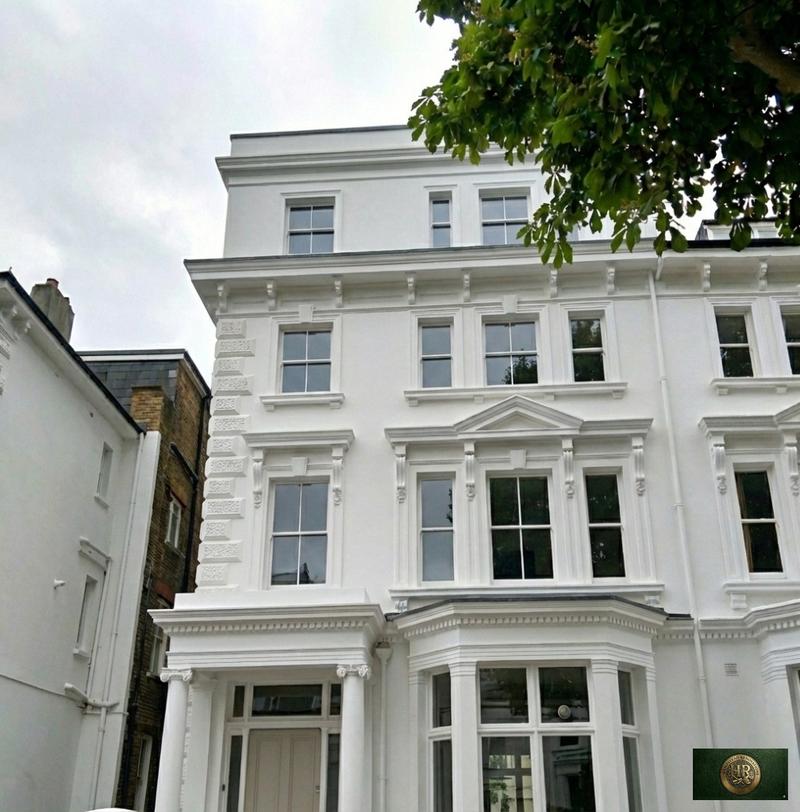
The housing stock is overwhelmingly Cubitt's mid-Victorian stucco terraces: five and six-storey white or cream rendered buildings divvied into maisonettes, mansion flats, and (increasingly) single-family townhouses reconverted from their subdivided state. The terraces are in generally sound structural condition — Cubitt built to high standards — but many have had their original features compromised by post-war subdivision. Restoring them to their original character is among the most satisfying renovation projects our architects undertake.
For property owners in SW1V, renovation is managed by Westminster City Council. The Pimlico Conservation Area protects the Victorian terrace character across most of the area. Westminster applies consistent conservation area controls — stucco finish requirements, sash window specifications, ironwork standards — that our architects navigate as a matter of course.
From our Finchley Road studio, our architects have delivered multiple Pimlico projects — townhouse conversions back to single-family use, terrace extensions, and maisonette refurbishments. We know the area's architecture intimately and understand what Westminster's conservation officers expect.
Design, build, and heritage expertise for Pimlico properties — shaped by deep knowledge of the local planning landscape and conservation requirements.
Rear, side, and wraparound extensions to Pimlico period homes. Conservation area design expertise for local approval.
Dormer and mansard conversions respecting Pimlico rooflines, ridge heights, and conservation area sightlines.
Full basement dig-downs and cellar conversions for Pimlico properties. Structural engineering and waterproofing expertise.
Listed building specialists. Sash window restoration, original feature conservation, and the balance between preservation and contemporary living.
Highgate falls under the City of Westminster. The Highgate Conservation Area is one of the largest in London and covers virtually the entire village, spanning Camden, Haringey, and Islington. Planning permission is required for almost all external works, and each borough applies its own design standards.
Pimlico's terraces are predominantly Grade II listed. The garden squares are managed by private residents' associations and provide green amenity protected under the London Squares Preservation Act. Works affecting the principal facades require planning permission. Internal alterations are generally more permissive. Our architects know exactly where the lines are drawn.
View Westminster planning portal →Pimlico Conservation Area protects Thomas Cubitt's Victorian terrace character. Westminster enforces stucco finish, fenestration, and ironwork standards.
Pimlico's garden squares (Eccleston, Warwick, St George's) are protected by the London Squares Preservation Act. Residents' associations manage access and maintain the gardens.
Properties on the Thames Embankment face additional flood risk assessments and Environment Agency consultation for any ground-level or below-ground works near the river.
Westminster offers pre-application services. Recommended for terrace restorations, flat-to-house conversions, and any works affecting the principal facade.
Realistic cost ranges for the most common project types in Highgate. Westminster conservation area requirements add approximately 5–15% to standard London pricing. Pimlico's stucco terraces are generally good value for central London renovation.
Thomas Cubitt's stucco masterwork, the Thames river garden, and the Victorian city that created one of London's most underrated residential gems.
The extraordinary story of London's greatest Victorian builder — the man who built three of central London's most distinctive residential quarters in a single lifetime.
The story of Pimlico's two great garden squares — their history, their residents' associations, and how they have shaped the character of the surrounding streets.
How the Victorian Embankment transformed the Thames from an open sewer to a dramatic public promenade — and how Pimlico's river-facing properties are now among SW1's most sought-after.
Selected projects from across London.

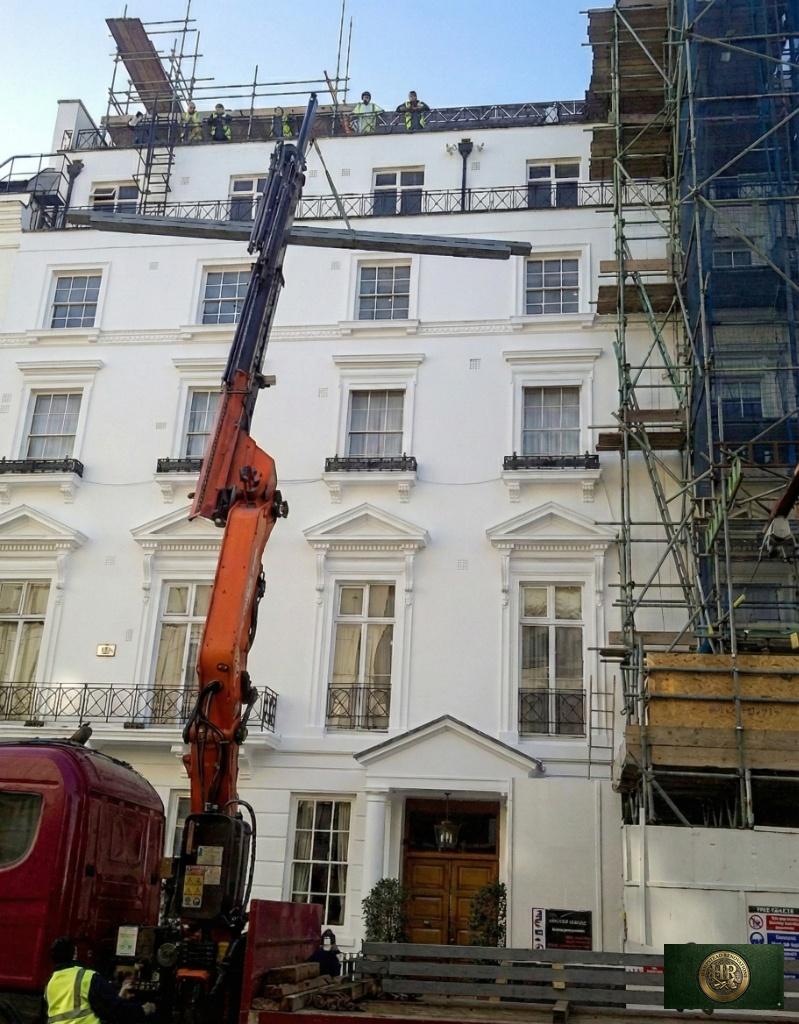
Five-storey house extension, full basement conversion, loft conversion and complete refurbishment within Belsize Park's conservation area.
View Case Study →
Penthouse duplex refurbishment and roof reconstruction within a Grade II listed setting, unifying the top two levels into seamless luxury living.
View Case Study →
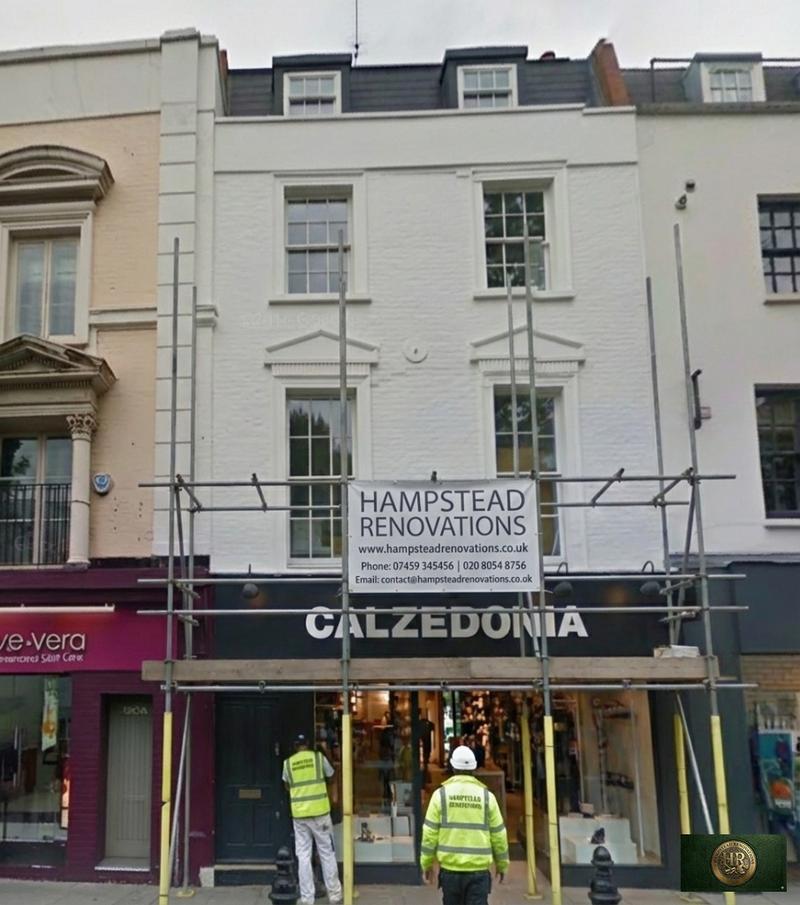
Office-to-retail and residential conversion delivering the Calzedonia store fit-out with three high-spec apartments above, preserving the original façade.
View Case Study →Use these area-specific guide pages to move from broad research into the main build routes people compare in Pimlico SW1V.
Yes — flat-to-house conversions are one of the most common and value-adding projects in Pimlico. Westminster generally supports the restoration of divided terraces to single-family use, as it is often consistent with Cubitt's original intention. Planning permission is required (change of use from C3(b) to C3(a)), but our architects have extensive experience of securing these consents across SW1V.
Generally yes — Cubitt built to high standards, and the stucco terraces have proven highly durable. However, many have had post-war modifications (subdivision, concrete lintels, inappropriate pointing) that need addressing. Our structural engineers carry out a thorough appraisal as the first step of every project, identifying any structural issues and the most cost-effective remediation.
Pimlico represents excellent value for central London renovation. Terrace refurbishments cost £600–£1,000 per square metre. Maisonette renovations range from £480–£800 per square metre. Flat-to-house conversions vary significantly depending on scope. Westminster conservation area requirements add approximately 5–15% to standard pricing. All projects on fixed-price contracts.
Yes — rear gardens are a valuable amenity in Pimlico, and single-storey glazed extensions at the back of terraces are generally achievable within Westminster's conservation area guidelines. Many Pimlico terraces also have lower-ground floors that can be converted to create additional living space opening to the garden. Our architects maximise the potential of every square metre.
Yes — and we strongly recommend it. Pimlico's Victorian terraces still contain original cornices, plaster ceiling roses, marble fireplaces, and timber sash windows in many properties. When present, these features are irreplaceable. When damaged or removed, we source period-appropriate replacements from specialist architectural salvage suppliers and craftspeople. Well-restored period features significantly enhance Pimlico property values.
Yes. Our in-house RIBA architects manage all Westminster planning applications, listed building consent submissions, and building regulations for Pimlico projects. We also handle flat-to-house change-of-use applications and advise on the most efficient planning strategy for each property.
Our initial consultation is free and carries no obligation. Visit our design studio on Finchley Road to explore material selections, meet our team, and discuss your project in person.
One team, one contract — from feasibility drawing to handover photograph. RIBA chartered architects, IStructE chartered engineers, RICS regulated surveyors, and FMB-registered build teams, all under a fixed-price design-build contract.
View Our Pimlico Builders Page