Golders Green is one of North London's most established family neighbourhoods — a leafy Edwardian and inter-war suburb with generous gardens, wide tree-lined avenues, and excellent schools. From our nearby Finchley Road studio, our architects specialise in the family-focused extensions, loft conversions, and full refurbishments that Golders Green's spacious properties demand, all within Barnet Council's planning framework.
Golders Green developed rapidly after the Northern Line arrived in 1907, transforming open farmland into a desirable Edwardian suburb within a generation. The result is a neighbourhood of substantial detached and semi-detached houses — mostly built between 1900 and 1935 — with bay windows, decorative plasterwork, generous rear gardens, and the kind of proportions that modern families crave.
The housing stock is remarkably consistent. Double-fronted Edwardian detached houses dominate the streets around The Riding and Corringham Road, while 1920s and 1930s semi-detached houses with Arts & Crafts influences fill the avenues further north. Many properties retain original stained glass, decorative tile porches, and mature gardens — but most need modernisation to meet contemporary family requirements.
For homeowners in NW11, the planning landscape is generally more permissive than the ultra-prime areas to the south. Golders Green falls under the London Borough of Barnet, which allows more scope for rear and side extensions under permitted development rights. There are localised conservation areas, but much of the neighbourhood sits outside them, making extensions and loft conversions more straightforward to achieve. Our architects maximise the potential of every property within Barnet's planning framework.
That negotiation is what we do. Our design studio is on Finchley Road. Our architects have worked with Barnet's planning team on hundreds of applications. We understand the constraints because we live within them.
Design, build, and heritage expertise for Golders Green properties — shaped by deep knowledge of the local planning landscape and conservation requirements.
Rear, side, and wraparound extensions to Golders Green period homes. Conservation area design expertise for local approval.
Dormer and mansard conversions respecting Golders Green rooflines, ridge heights, and conservation area sightlines.
Full basement dig-downs and cellar conversions for Golders Green properties. Structural engineering and waterproofing expertise.
Listed building specialists. Sash window restoration, original feature conservation, and the balance between preservation and contemporary living.
Golders Green falls under the London Borough of Barnet. The Golders Green Conservation Area is one of the largest in London and covers virtually the entire village, with partial conservation area coverage. Many properties benefit from permitted development rights under Barnet's planning framework.
Some streets fall within localised conservation areas where additional controls apply. Properties near Golders Hill Park or within the Golders Green Garden Suburb fringe may face stricter requirements. Our architects assess each property's specific planning status and identify the fastest route to approval — whether through permitted development or a full planning application.
View Barnet planning portal →Partial conservation area coverage. Many properties benefit from permitted development rights, allowing extensions without full planning permission.
Many Golders Green properties qualify for permitted development — allowing certain rear extensions, loft conversions, and outbuildings without a planning application.
Properties near Golders Hill Park and the Heath Extension may face additional landscape and ecological considerations affecting design and materials.
Barnet offers pre-application services. Useful for properties in conservation areas or those proposing larger extensions beyond permitted development limits.
Realistic cost ranges for the most common project types in Golders Green. Heritage and conservation requirements typically add 10–20% to standard London pricing.
How the Northern Line transformed farmland into one of London's most established family neighbourhoods.
How the arrival of the Northern Line in 1907 transformed open farmland into a thriving Edwardian suburb within a single generation.
The story of the iconic Hippodrome — from music hall to BBC studios — and its role in Golders Green's cultural identity.
How generous gardens, wide avenues, and excellent schools made Golders Green one of London's most sought-after family suburbs.
Selected projects from across London.

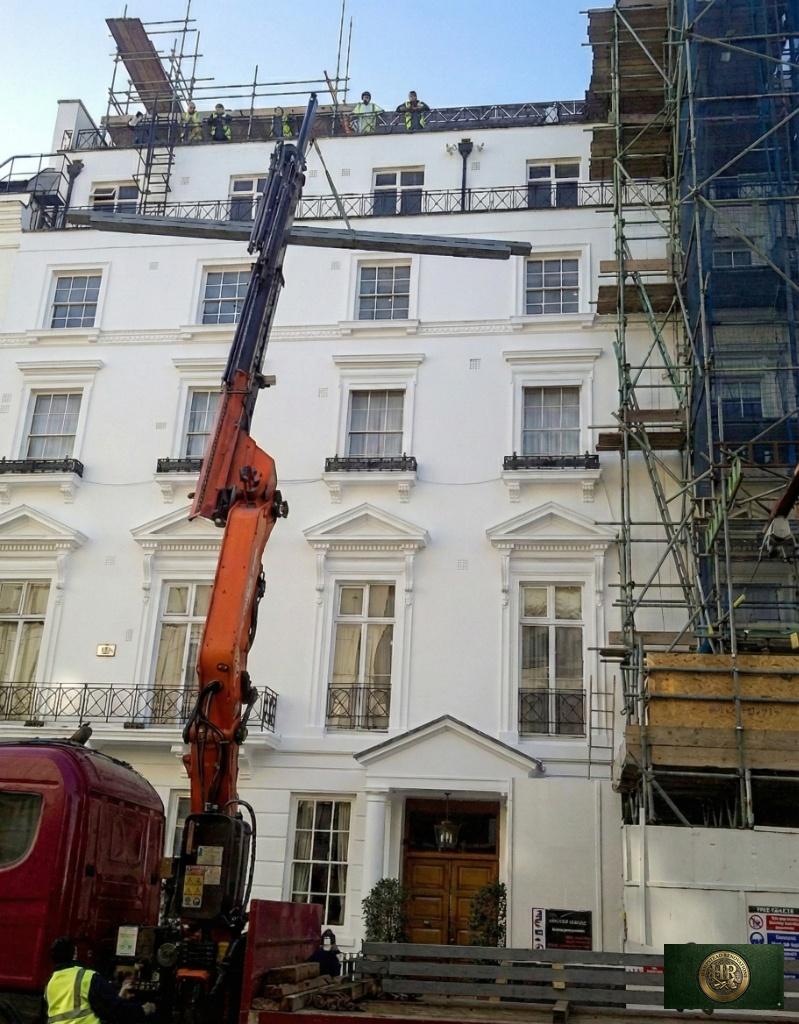
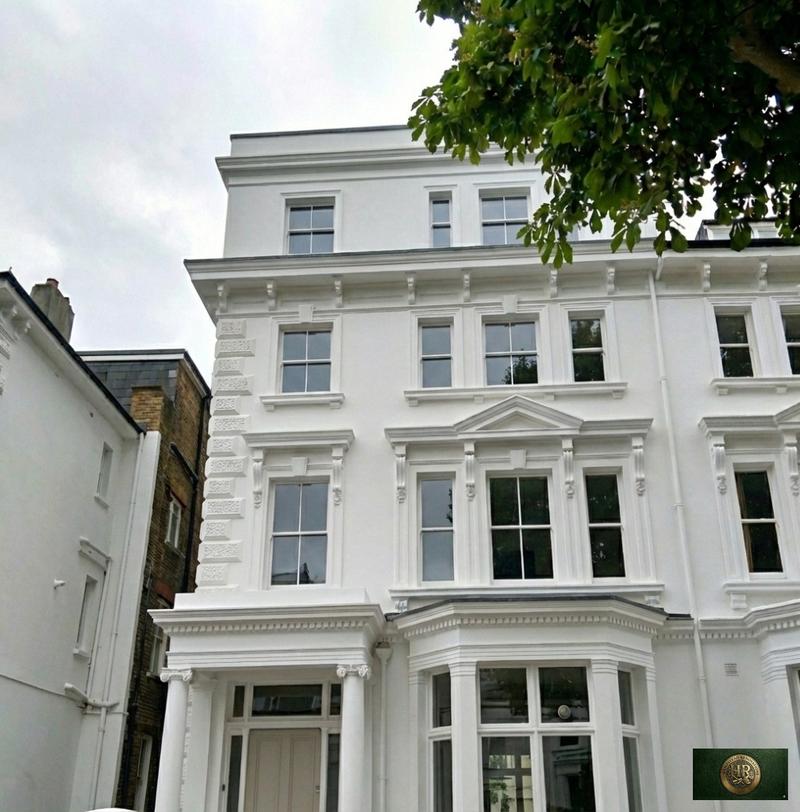
Five-storey house extension, full basement conversion, loft conversion and complete refurbishment within Belsize Park’s conservation area.
View Case Study →
Penthouse duplex refurbishment and roof reconstruction within a Grade II listed setting, unifying the top two levels into seamless luxury living.
View Case Study →
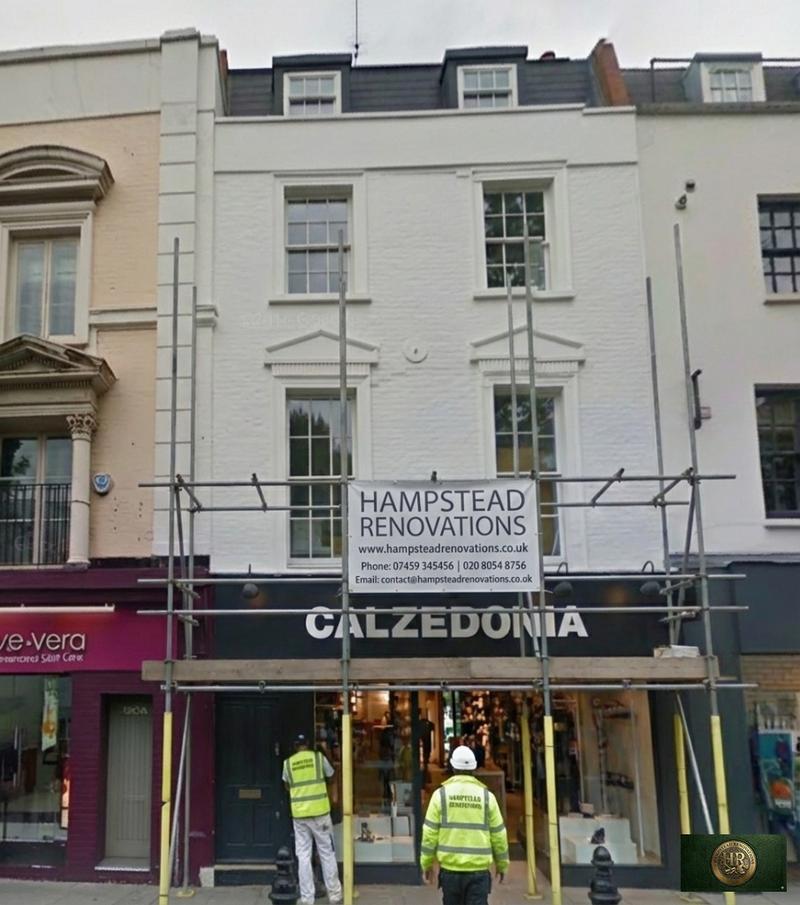
Office-to-retail and residential conversion delivering the Calzedonia store fit-out with three high-spec apartments above, preserving the original façade.
View Case Study →Use these area-specific guide pages to move from broad research into the main build routes people compare in Golders Green NW11.
Not always. Many Golders Green properties benefit from permitted development rights, which allow certain rear extensions (up to 6m for detached, 4m for semi-detached), loft conversions, and outbuildings without a planning application. Properties in conservation areas have more limited permitted development rights. Our architects assess your specific situation and advise on the fastest route to approval. View Barnet planning portal →
For detached houses, you can extend up to 8m to the rear (single storey) or 3m (two storey) without planning permission, subject to Barnet's conditions. For semi-detached houses, the limits are 6m (single storey) and 3m (two storey). Side extensions must be single storey and not exceed half the width of the original house. Our architects design extensions to maximise the available permitted development allowance.
Extensions cost £2,200–£3,500 per sqm — more affordable than the conservation-heavy areas to the south. Loft conversions range from £45,000–£100,000. Full refurbishments cost £450–£800 per sqm. The absence of conservation area constraints on many streets reduces design and planning costs. All projects delivered on fixed-price contracts.
Some parts of Golders Green fall within conservation areas — particularly streets close to Golders Green Garden Suburb and Golders Hill Park. Properties in conservation areas have more limited permitted development rights. Our architects check your property's planning status at the start of every project and advise on the specific rules that apply to your address.
In most cases, yes. Permitted development allows loft conversions that add up to 50 cubic metres of space (40 cubic metres for terraces and flats). The conversion must not extend above the existing ridge height, and materials must match the existing house. Properties in conservation areas can still do rear dormers under permitted development but cannot add hip-to-gable extensions.
Yes. Our in-house RIBA architects handle both permitted development assessments and full Barnet planning applications. Where permitted development applies, we prepare all necessary documentation to demonstrate compliance. Where a full application is needed, we manage the entire process from pre-application through to approval.
Our initial consultation is free and carries no obligation. Visit our design studio on Finchley Road to explore material selections, meet our team, and discuss your project in person.
One team, one contract — from feasibility drawing to handover photograph. RIBA chartered architects, IStructE chartered engineers, RICS regulated surveyors, and FMB-registered build teams, all under a fixed-price design-build contract.
View Our Golders Green Builders Page