West Hampstead has emerged as one of North London's most sought-after neighbourhoods — a village of Victorian converted houses and mansion blocks anchored by the independent shops and restaurants of West End Lane. With three railway stations and rapid access to the West End, NW6 attracts young professionals and growing families who want period charm, space, and connectivity. Our Finchley Road studio is literally next door.
West Hampstead's character was shaped by the railways that arrived in the 1870s, triggering a building boom of substantial Victorian houses and mansion blocks. Today, many of the large houses have been converted into generous flats, while some remain as whole houses on the quieter streets. The independent village atmosphere of West End Lane — with its restaurants, cafés, and farmers' market — gives NW6 a community feel that belies its excellent transport links.
The housing stock divides into three types: converted Victorian houses (the most common — large semi-detached or detached villas subdivided into 2-4 flats), purpose-built Edwardian mansion blocks, and a smaller number of intact Victorian family houses. Each presents different renovation challenges — from freeholder consent and shared services in conversions, to conservation area constraints on whole houses.
For homeowners in NW6, the key planning consideration is the West Hampstead Conservation Area, which covers the core residential streets. Camden applies strict controls on facade alterations, dormer additions, and extension design. For flat owners, freeholder and estate management consent adds an additional layer. Our architects — based on Finchley Road, practically in West Hampstead — navigate these requirements daily.
That negotiation is what we do. Our design studio is on Finchley Road. Our architects have worked with Camden's planning team on hundreds of applications. We understand the constraints because we live within them.
Design, build, and heritage expertise for West Hampstead properties — shaped by deep knowledge of the local planning landscape and conservation requirements.
Rear, side, and wraparound extensions to West Hampstead period homes. Conservation area design expertise for local approval.
Dormer and mansard conversions respecting West Hampstead rooflines, ridge heights, and conservation area sightlines.
Full basement dig-downs and cellar conversions for West Hampstead properties. Structural engineering and waterproofing expertise.
Listed building specialists. Sash window restoration, original feature conservation, and the balance between preservation and contemporary living.
West Hampstead falls under the London Borough of Camden. The West Hampstead Conservation Area covers the core residential streets, meaning planning permission is required for external works within these areas. Streets outside the conservation area may benefit from permitted development rights for certain extensions and loft conversions.
For flat owners in converted houses and mansion blocks, freeholder consent is required alongside any planning permission. This dual-consent process requires careful coordination. Our architects manage both Camden planning and freeholder applications simultaneously, minimising delays and ensuring both approvals align.
View Camden planning portal →West Hampstead Conservation Area covers core residential streets. Camden applies design standards to protect the area's Victorian character.
Flat owners in converted houses and mansion blocks need freeholder consent for structural works, M&E changes, and often significant cosmetic alterations.
West Hampstead's three railway stations (Jubilee, Thameslink, Overground) make it one of North London's best-connected neighbourhoods — supporting strong property values.
Camden offers pre-application services. Essential for listed buildings and complex conservation area proposals in NW6.
Realistic cost ranges for the most common project types in West Hampstead. Heritage and conservation requirements typically add 10–20% to standard London pricing.
How three railways built a neighbourhood — and the independent village spirit that defines West End Lane today.
How the arrival of three railway lines in the 1870s-1880s transformed farmland into one of London's most connected Victorian suburbs.
How West End Lane evolved from a Victorian shopping street into one of North London's most vibrant independent high streets.
The story of West Hampstead's grand Victorian houses — built for affluent families, later subdivided, and now being lovingly refurbished by a new generation.
Selected projects from across London.

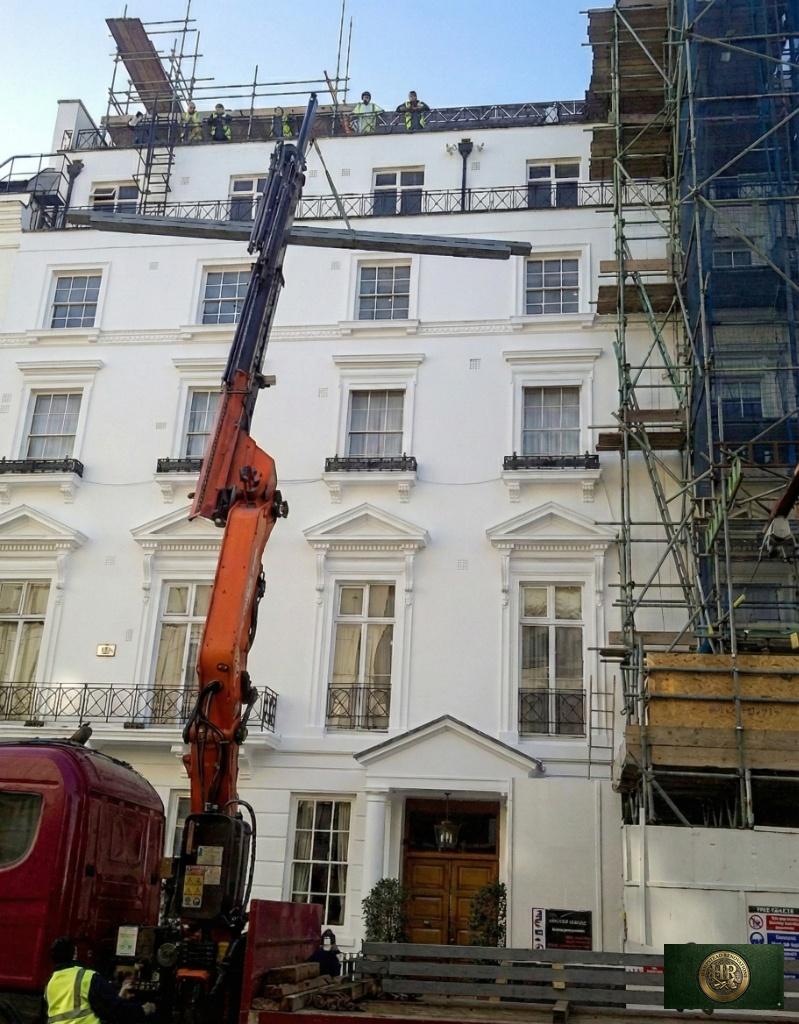
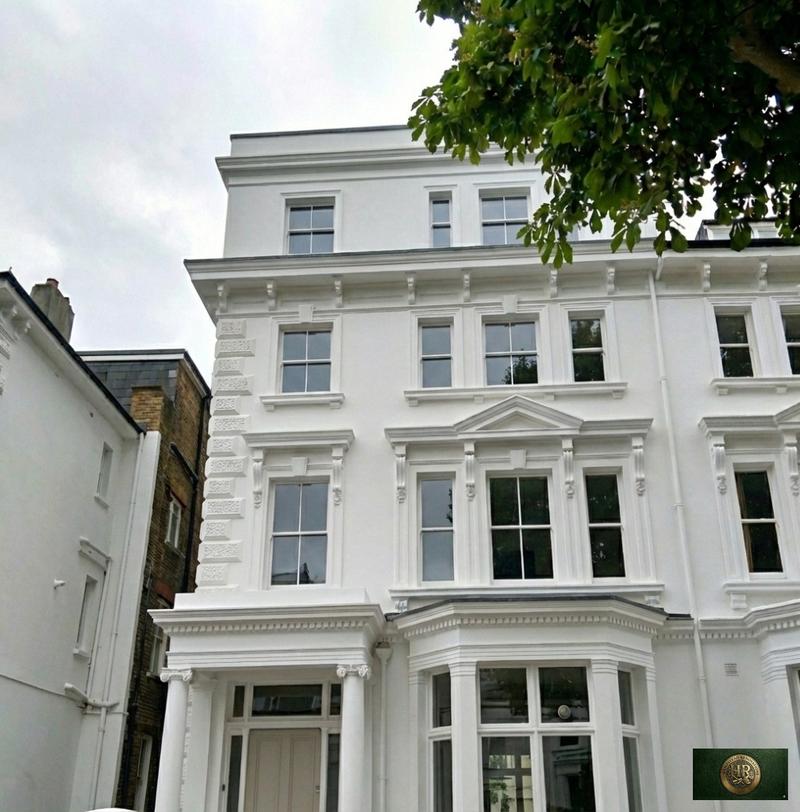
Five-storey house extension, full basement conversion, loft conversion and complete refurbishment within Belsize Park’s conservation area.
View Case Study →
Penthouse duplex refurbishment and roof reconstruction within a Grade II listed setting, unifying the top two levels into seamless luxury living.
View Case Study →
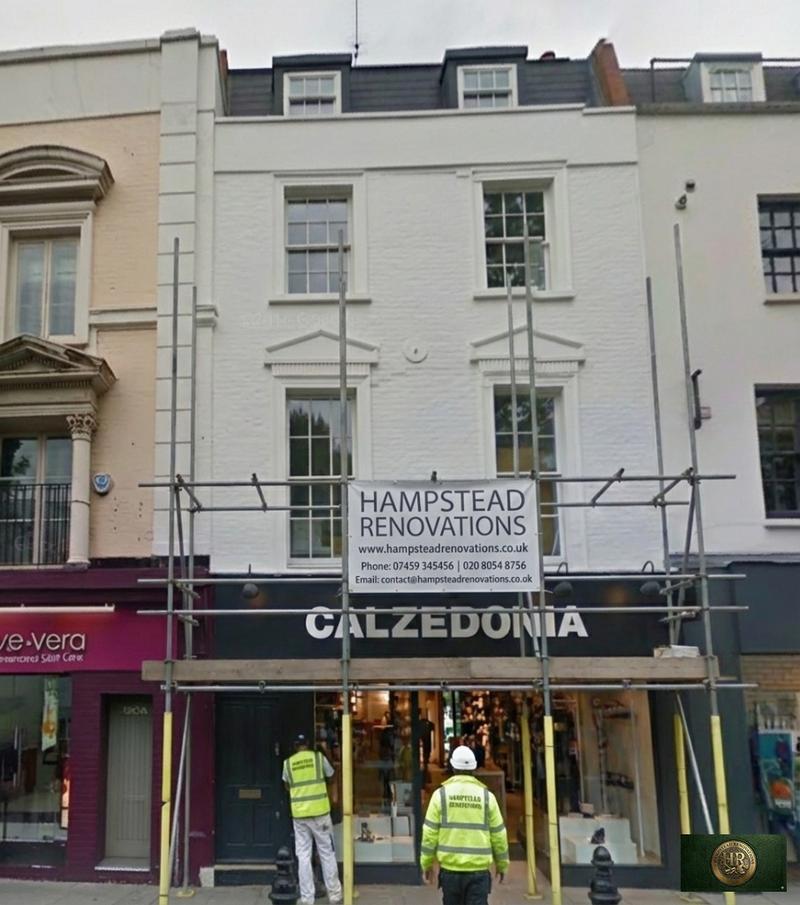
Office-to-retail and residential conversion delivering the Calzedonia store fit-out with three high-spec apartments above, preserving the original façade.
View Case Study →Use these area-specific guide pages to move from broad research into the main build routes people compare in West Hampstead NW6.
Almost certainly yes. Your lease will typically require consent for structural works, M&E changes, and often even significant cosmetic works. We manage the freeholder consent application alongside Camden planning submissions to minimise delays. View Camden planning guidance →
The West Hampstead Conservation Area covers the core residential streets but not the entire NW6 postcode. Properties outside the conservation area may benefit from permitted development rights for rear extensions and loft conversions. Our architects check your specific planning status at the start of every project.
Flat refurbishments in NW6 cost £450–£800 per sqm depending on scope. A kitchen-bathroom refresh sits at the lower end; a complete shell-out with layout change, soundproofing, and full M&E renewal sits at the upper end. All projects on fixed-price contracts.
Yes — we're based on Finchley Road in NW6, a short walk from West Hampstead. Our design studio and sample library are available by appointment. We're literally on your doorstep.
Yes — internal wall removal and layout reconfiguration is one of our most common works. Most internal partitions in converted Victorian houses are non-structural and can be removed to create open-plan living. Building Control approval is required, and freeholder consent is usually necessary. We handle the entire process.
Yes. Our architects manage Camden planning, conservation area applications, and freeholder consent submissions. We coordinate both processes in parallel to minimise delays.
Our initial consultation is free and carries no obligation. Visit our design studio on Finchley Road to explore material selections, meet our team, and discuss your project in person.
One team, one contract — from feasibility drawing to handover photograph. RIBA chartered architects, IStructE chartered engineers, RICS regulated surveyors, and FMB-registered build teams, all under a fixed-price design-build contract.
View Our West Hampstead Builders Page